A rug is more than a floor covering — it’s the anchor of your living room, the element that defines the seating area, adds warmth underfoot, and pulls colors together. The right rugs in living room can make a large space feel intimate, a small space feel cozy, and a neutral room feel complete. You’ll love how a well-chosen rug can transform the entire feel of the room, like a meadow of soft fibers cushioning every step, defining where the sofa ends and the floor begins.
From large neutral rugs anchoring white couches to colorful patterns energizing minimalist spaces, from layered rugs adding texture to fireplaces serving as focal points, these rugs in living room ideas will help you choose the perfect foundation for your seating area. Imagine sinking your toes into a soft wool rug, watching the TV with your feet on a cozy surface, or hosting friends around a coffee table set on a beautiful pattern. Your living room floor is ready for its upgrade. Let’s roll it out.
1. Light & Bright – A Large White Couch on a Neutral Rug
Place a large white couch on a neutral rug — beige, cream, or light grey — for a fresh, airy look. The rug defines the seating area while keeping the room bright. In rugs in living room design, a neutral rug lets your white couch shine without competing. You’ll love how the soft colors make the room feel calm and spacious, like a cloud resting on a sandy shore.
For rugs in living room with white furniture, choose a rug with a subtle texture or pattern to add interest without color. A jute or sisal rug adds natural warmth beneath the white couch.
2. Clean & Ready – A Rug That Grounds a Tidy Room
Keep your living room clean and tidy with a rug that anchors the furniture and defines the space. A room that’s ready for guests feels intentional. In rugs in living room, the rug should be large enough that all front legs of the furniture sit on it. You’ll appreciate how the rug ties the room together, the clean lines of the furniture resting on a soft foundation.
For rugs in living room that prioritize cleanliness, choose a low-pile wool or synthetic rug that’s easy to vacuum. Darker colors or patterns hide everyday dirt better than solid light colors.
3. Room-Defining – A Large Rug Under All Furniture
Choose a rug large enough to fit under all your main furniture pieces — sofa, coffee table, and chairs. In rugs in living room, a too-small rug makes the room feel disjointed. You’ll love how a large rug unifies the space, the furniture floating together on a sea of texture, the room feeling complete.
For a large rugs in living room layout, leave 6-12 inches of bare floor between the rug and the walls. The rug should extend at least 6 inches beyond the sides of the sofa.
4. Neutral Ground – A Rug That Blends, Not Shouts
Choose a neutral rug in beige, taupe, or grey to let your furniture and art be the stars. The rug provides a calm foundation. In rugs in living room, a neutral rug works with any color scheme and never goes out of style. You’ll appreciate how the rug recedes, the sofa and tables popping against the soft background.
For rugs in living room with neutral rugs, add texture through a woven pattern or a chunky knit. The texture adds interest without color.
5. Fireplace Focus – A Rug Centered on the Hearth
Center your rug on the fireplace rather than the TV, creating a cozy seating area for conversation. The rug defines the hearth as the room’s heart. In rugs in living room, this layout encourages gathering around the fire. You’ll love how the rug draws the eye to the fireplace, the furniture arranged for warmth and connection.
For rugs in living room with a fireplace, choose a wool or synthetic rug that’s fire-resistant (avoid shag near open flames). The rug should be large enough that all seating is within the warm zone.
6. Two Couches – A Rug That Bridges Both Sofas
Place two couches facing each other with the rug between them. The rug defines the conversation area. In rugs in living room, this layout is perfect for entertaining. You’ll love how the rug visually connects the sofas, the space between them becoming a stage for the coffee table.
For rugs in living room with two couches, the rug should be large enough that both sofas’ front legs rest on it. Leave walking space between the couches (at least 18 inches).
7. Light-Filled Room – A Rug That Anchors Without Blocking Light
Use a light-colored rug to reflect natural light from large windows, making the room feel even brighter. In rugs in living room, a pale rug can amplify sunlight. You’ll appreciate how the room feels airy and open, the rug a pale beach beneath your feet, the windows framing the sky.
For rugs in living room with large windows, choose a rug with a low pile that won’t cast shadows. A flatweave or wool rug works well.
8. Pattern Pop – A Rug That Adds Interest
Choose a patterned rug — geometric, floral, or abstract — to add visual interest to a neutral room. The pattern becomes the room’s artwork. In rugs in living room, a bold rug can be the focal point. You’ll love how the rug energizes the space, the colors tying together your pillows and art.
For rugs in living room with pattern, keep the furniture solid-colored so the rug remains the star. Pull one color from the rug for your accent pillows.
9. Cozy Layering – A Rug Over Carpet
Layer a rug over wall-to-wall carpet to define the seating area and add pattern or color. The contrast of textures adds depth. In rugs in living room, layering is an easy way to refresh a room. You’ll love how the top rug anchors the furniture, the wall-to-wall carpet becoming a neutral background.
For rugs in living room over carpet, choose a rug with a flatweave or low pile so it doesn’t bunch. Use a rug pad to keep it from sliding.
10. High Pile – A Shag or Flokati Rug for Texture
Choose a high-pile shag or flokati rug for ultimate softness and texture. The fluffy surface invites bare feet. In rugs in living room, a shag rug makes the space feel cozy and casual. You’ll love sinking your toes into the soft fibers, the rug like a sheepskin cloud underfoot.
For rugs in living room, shag rugs are best in low-traffic areas (they show footprints). Choose a light color for a cloud-like feel, or a dark color for drama.
11. Jute or Sisal – Natural Texture, Neutral Color
Use a jute or sisal rug for natural texture and a neutral color that works with any decor. The woven surface adds organic warmth. In rugs in living room, natural fiber rugs are durable and timeless. You’ll love how the rug adds texture without color, the rough fibers contrasting with soft upholstery.
For rugs in living room, jute rugs are scratchy (not for barefoot lounging) but great under a coffee table. Use a rug pad to prevent slipping.
12. Guest-Ready – A Rug That Welcomes
Keep your living room guest-ready with a rug that’s clean, flat, and inviting. The rug should be large enough to accommodate social seating. In rugs in living room, a well-chosen rug makes guests feel welcome. You’ll appreciate how the room looks polished, the rug defining the conversation area.
For rugs in living room that see a lot of traffic, choose a dark color or a patterned rug that hides dirt. Vacuum regularly.
13. Coffee Table on Rug – A Central Anchor
Place your coffee table on the rug to anchor the seating area and make the space feel intentional. The table should sit on the rug, not off it. In rugs in living room, the coffee table and rug work together to define the conversation zone. You’ll love how the table seems to float on the soft surface.
For rugs in living room, leave at least 12 inches of rug visible around the coffee table. The table should be centered on the rug.
14. Sun-Faded – A Rug That Softens With Light
Choose a rug that will fade beautifully in a sun-drenched room. Wool rugs fade gracefully; synthetic rugs may discolor. In rugs in living room with lots of windows, consider a light-colored rug that won’t show fading. You’ll love how the sun warms the fibers, the colors softening over time.
For rugs in living room in sunny spaces, avoid dark colors that fade to uneven patches. Rotate the rug seasonally to distribute sun exposure.
15. Rug as Art – A Bold Pattern Underfoot
Let your rug be the room’s art with a bold, colorful pattern. Keep furniture neutral so the rug shines. In rugs in living room, a statement rug can set the entire color palette. You’ll love how the rug energizes the space, the pattern a conversation starter, the colors echoed in throw pillows.
For rugs in living room with bold rugs, choose a pattern that you love — you’ll be looking at it every day. Pull one or two colors from the rug for your accent pieces.
16. Runner or Layered – Two Rugs in One Room
Use two rugs in one room — a large neutral rug under the sofa, and a smaller patterned rug under the coffee table. The layering adds depth. In rugs in living room, this technique defines zones in an open floor plan. You’ll love how the layered rugs create visual interest, the patterns and textures playing off each other.
For rugs in living room with layered rugs, ensure the top rug is heavy enough not to shift. A rug pad between them prevents slipping.
17. Round Rug – Softening Angular Spaces
Choose a round rug to soften a room with many right angles (square coffee table, rectangular sofa). The circular shape is unexpected. In rugs in living room, a round rug can make the space feel more dynamic. You’ll love how the round shape guides the eye, the curves contrasting with the straight lines of furniture.
For rugs in living room with a round rug, place it under a round coffee table or center it under the seating area. The rug should be large enough that the front legs of sofas rest on it.
18. Low-Pile for High Traffic – Practical & Stylish
Choose a low-pile rug for a high-traffic living room. The flat surface is easy to vacuum and doesn’t trap dirt. In rugs in living room, low-pile rugs (wool, cotton, synthetic) are durable and practical. You’ll appreciate how the rug stays clean, the vacuum gliding smoothly, the fibers resisting stains.
For rugs in living room with kids or pets, choose a low-pile rug in a dark color or busy pattern. A rug pad prevents slipping.
19. Vintage or Distressed – A Rug With Character
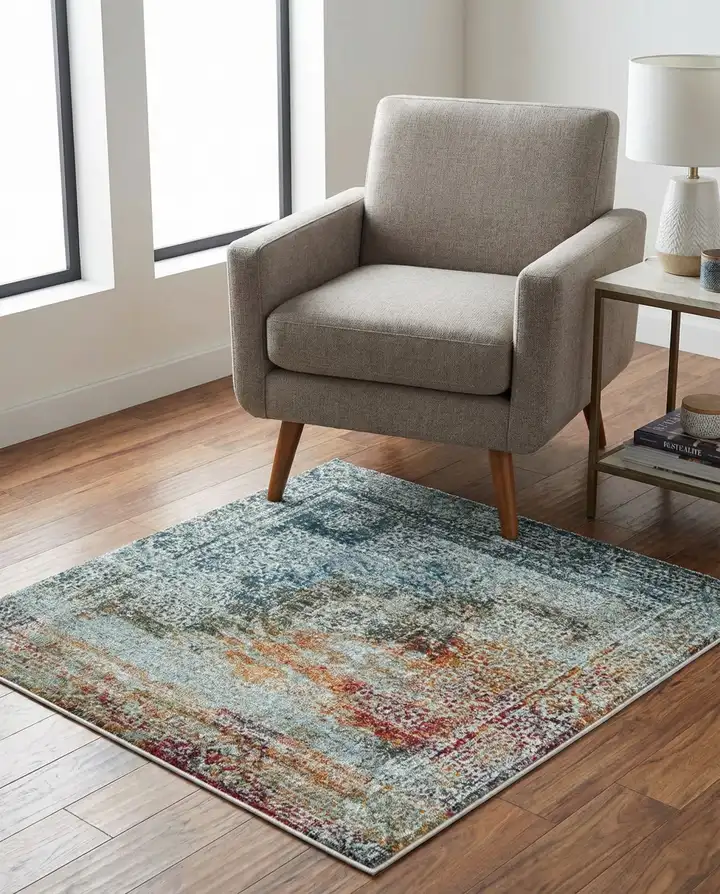
Choose a vintage or distressed rug for instant character and a lived-in look. The faded colors and worn spots add history. In rugs in living room, a vintage rug feels like a family heirloom. You’ll love how the rug brings warmth and patina, the imperfections part of its charm.
For rugs in living room, authentic vintage rugs can be expensive. Look for new rugs with a distressed print for a similar look at a lower price.
20. Indoor-Outdoor – A Washable, Durable Option
Choose an indoor-outdoor rug for a family-friendly living room. These rugs are stain-resistant, easy to clean, and durable. In rugs in living room, indoor-outdoor rugs have come a long way in style. You’ll love how the rug withstands spills and muddy paws, a quick hose-down making it fresh again.
For rugs in living room, indoor-outdoor rugs are often flatweave and come in many patterns. Use a rug pad to prevent slipping.
21. Solid Color – A Calm Foundation
Choose a solid color rug in a neutral or muted tone for a calm, understated foundation. The rug recedes, letting your furniture shine. In rugs in living room, a solid rug is versatile and timeless. You’ll appreciate how the rug doesn’t compete, the sofa and art taking center stage.
For rugs in living room with solid rugs, add texture through a chunky knit or a subtle weave. A rug pad adds cushioning.
22. Size Matters – The Most Common Mistake
Avoid the too-small rug mistake. Your rug should be large enough that all front legs of your main furniture rest on it. In rugs in living room, a floating rug (where furniture legs are off the rug) makes the room feel disjointed. You’ll appreciate how a properly sized rug unifies the space.
For rugs in living room, measure your seating area before buying. A common size for a medium living room is 8×10 feet. For larger rooms, 9×12 or 10×14.
23. Layering Over Hardwood – A Soft Landing
Place a rug over hardwood floors to add warmth, softness, and sound absorption. The rug protects the wood and defines the seating area. In rugs in living room, a rug over hardwood is classic and cozy. You’ll love how the room feels grounded, the wood peeking out around the edges, the rug a soft island in a sea of grain.
For rugs in living room over hardwood, use a rug pad to prevent slipping and to protect the wood finish.
24. Final Touch – The Rug That Completes the Room
Choose a rug that ties your room together — pulling colors from your art, pillows, and furniture. The rug is the final layer. In rugs in living room, a well-chosen rug makes everything feel intentional. You’ll love how the room suddenly looks complete, the rug the missing piece, the space finally balanced.
For rugs in living room, take your time choosing. Order samples and see them in your light. A rug is an investment; choose one you’ll love for years.
🪑 The Foundation Guide: 6 Steps to Choosing Rugs in Living Room
- 📏 Get the Size Right: The most common mistake is a rug that’s too small. In rugs in living room, the rug should be large enough that at least the front legs of all main furniture pieces rest on it. For a sofa and two chairs, that usually means an 8×10 or 9×12 foot rug. Leave 6-12 inches of bare floor between the rug and the walls.
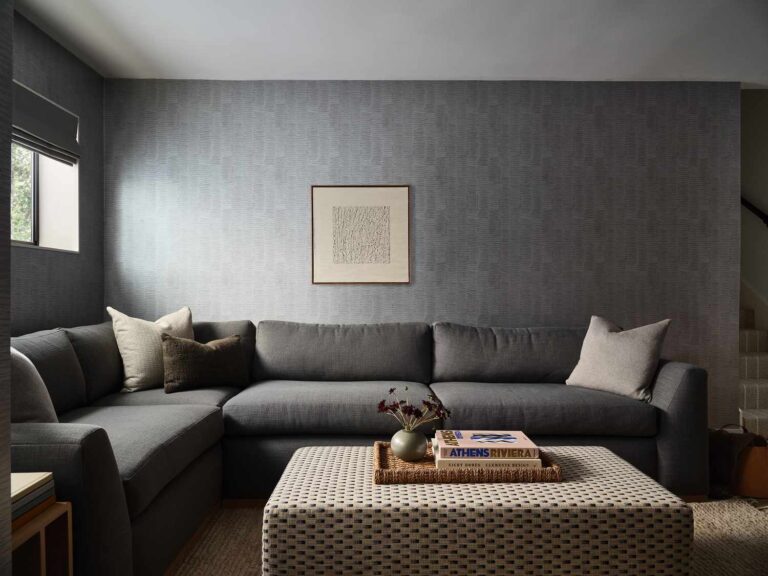
- 🪑 Consider Your Furniture Layout: The rug should define the seating area. In rugs in living room, place the rug so it’s centered under the coffee table and extends under the furniture. For a sectional, the rug should extend at least 6 inches beyond the front edge. For floating furniture, the rug should be large enough to accommodate all pieces.
- 🧶 Choose the Right Material: Wool is durable, stain-resistant, and naturally flame-retardant — ideal for rugs in living room. Cotton is soft but less durable. Synthetic (polypropylene, nylon) is affordable and stain-resistant but less eco-friendly. Jute and sisal add texture but are scratchy and not for bare feet.
- 🎨 Pick a Color & Pattern That Works: A neutral rug (beige, grey, cream) is versatile and recedes. A patterned rug adds interest and hides dirt. A bold color rug makes a statement. In rugs in living room, consider your lifestyle — dark patterns hide stains better than light solids.
- 🧼 Think About Maintenance: High-pile rugs (shag) feel luxurious but trap dirt and are hard to clean. Low-pile rugs (flatweave, wool) are easier to vacuum. In rugs in living room with kids or pets, choose a low-pile, stain-resistant rug. Use a rug pad to prevent slipping and add cushioning.
- 🔄 Don’t Forget the Rug Pad: A rug pad prevents slipping, adds cushioning, extends the life of your rug, and protects your floor. In rugs in living room, a pad is essential — it keeps the rug in place and makes vacuuming easier. Choose a pad that’s slightly smaller than your rug so it doesn’t show.
Frequently Asked Questions
Q: How far should a rug extend under a sofa?
Ans: In rugs in living room, the rug should extend at least 6-12 inches beyond the front of the sofa. Ideally, all front legs of the sofa and chairs should be on the rug. For a sectional, aim for 6-12 inches of rug visible in front. A too-small rug makes the room feel disjointed.
Q: What’s the best rug material for a living room with pets?
Ans: For rugs in living room with pets, choose a low-pile wool or synthetic rug. Wool is naturally stain-resistant and repels dirt. Synthetic (polypropylene) is affordable and easy to clean. Avoid high-pile shag (traps fur) and jute (difficult to clean). Dark colors or busy patterns hide pet hair better than light solids.
Q: Can I put a rug over carpet?
Ans: Yes. In rugs in living room, layering a rug over wall-to-wall carpet defines the seating area and adds pattern or color. Use a flatweave or low-pile rug so it doesn’t bunch. A rug pad helps keep it in place. Choose a rug that contrasts with the carpet (lighter or darker, patterned or solid).
Q: How do I clean a large living room rug?
Ans: Vacuum weekly (both sides if possible). In rugs in living room, spot-clean spills immediately with a mild detergent and water. For deep cleaning, rent a carpet cleaner or hire a professional. Rotate the rug every 6-12 months to distribute wear and sun fading. Shake out small rugs outdoors.
Q: What size rug do I need for a 12×12 living room?
Ans: For a 12×12 room, in rugs in living room, an 8×10 or 9×12 rug works well. Leave 12-18 inches of bare floor between the rug and the walls. The rug should fit under the front legs of your sofa and chairs. For a small room, a larger rug can make the space feel bigger; a smaller rug can make it feel choppy.
Conclusion
You’ve walked across a gallery of floor coverings — from large neutral rugs under white couches to bold patterns that anchor colorful rooms, from natural jute and high-pile shag to vintage distressed and indoor-outdoor practicality. Each of these rugs in living room ideas proves that what’s underfoot matters as much as the furniture above. The right rug defines the seating area, adds warmth and texture, pulls colors together, and makes the room feel complete. It’s the foundation of your living room, the element that ties everything else together.
Now it’s your turn to choose the perfect rug for your space. Measure your room and your furniture. Consider your lifestyle — do you have kids? pets? high heels? Then think about color, pattern, and material. Order samples and see them in your lighting. And don’t forget the rug pad. Your rugs in living room will be an investment in comfort and style, a foundation you’ll enjoy every day. Your perfect living room floor is waiting. Go ahead and roll it out. 🪑